
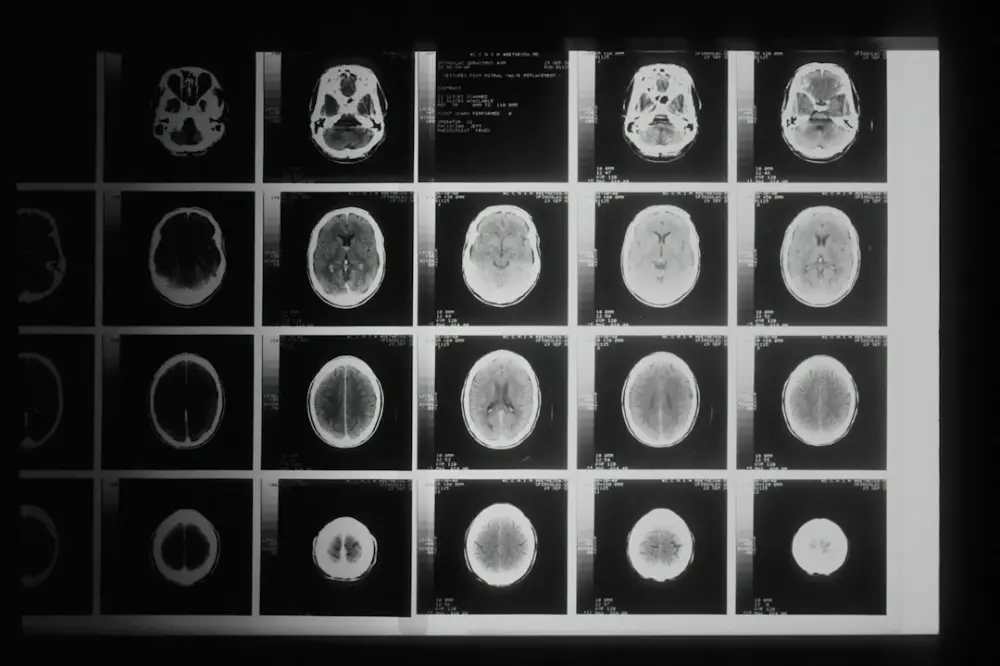
Image sequencing for interpretation is the process of arranging visual materials in a specific order to convey a narrative, explain a logic, or build a coherent story. By organizing pictures chronologically or conceptually, viewers can identify cause-and-effect relationships, track progression, and derive deeper meaning from visual data without relying solely on text.
In a physical or digital exhibition, the placement of one image next to another creates a dialogue. This dialogue dictates how a viewer processes information, moving from initial observation to a synthesis of ideas. Successful sequencing ensures that the visual weight and subject matter of each piece support the overarching message of the collection.
Core Principles of Visual Storytelling
Effective sequencing relies on the interaction between individual frames. When two images are placed in proximity, the viewer naturally searches for a connection. This is often referred to as the Kuleshov Effect in cinema, but it applies equally to still images in a gallery or a portfolio. For example, placing a photograph of a barren field next to a portrait of an elderly man suggests a thematic link regarding time or loss that neither image carries alone.
Visual rhythm is another essential principle. This involves the repetition of shapes, colors, or textures to create a sense of movement. A curator might use a series of architectural sketches where the recurring motif of a sharp diagonal line leads the viewer through the space. By maintaining a consistent visual language, the sequence feels intentional rather than accidental. You can find more on this by researching visual literacy and how humans decode non-verbal information.
How to Sequence Images Step-by-Step
Creating a meaningful sequence requires a methodical approach to ensure the transition from one piece to the next feels earned. Use the following steps to organize a series:
- Select the anchor images: Identify the strongest pieces that represent the beginning, middle, and end of your narrative.
- Establish visual bridges: Look for secondary works that share color palettes or compositional elements to smooth the transition between the anchors.
- Define the pacing: Vary the size and complexity of the images. A large, complex painting followed by two smaller, simpler sketches allows the viewer’s eye to rest.
- Test the narrative arc: Lay the images out on a floor or a digital storyboard. Observe if the sequence builds tension, provides a resolution, or follows a logical progression.
- Audit for redundancies: Remove any images that do not add new information or emotional weight to the sequence.
A practical example of this is a documentary photography series. The photographer might start with a wide establishing shot of a city, move into medium shots of its inhabitants, and conclude with a macro detail of a local artifact to provide a sense of closure.
First steps for building an interpretive image series
Developing a sequence that effectively communicates a message requires deliberate planning from the outset. To begin organizing your visual narrative, consider these practical actions:
- Start by defining the primary narrative goal: Determine if you are guiding the viewer through a chronological history, a technical process, or an emotional arc.
- The first step is to select a lead image: Choose a piece that establishes the visual vocabulary and sets the tone for the entire series.
- To begin the layout, group images by shared formal qualities: Look for recurring shapes, colors, or subjects that can act as visual glue between disparate works.
- Sequence the works to create a rhythmic flow: Alternate between complex and simple compositions to manage the viewer's cognitive load and maintain interest.
- Review the final arrangement for clarity: Ensure that the transitions between images feel intentional and support the overarching interpretive goal.
Identifying Cause and Effect in Picture Series
Sequencing can be used to demonstrate change over time or the result of a specific action. This is particularly useful in exhibitions focusing on environmental or social themes. By placing a "before" image next to an "after" image, the curator forces the viewer to fill in the gap with their own interpretation of the events that transpired. This technique is a vital part of reflecting on collection coherence in visual displays, as it provides a clear logic for the viewer to follow.
In a series of botanical illustrations, for instance, showing the progression from a bud to a decaying flower creates a natural cause-and-effect narrative. The viewer interprets the sequence as a study of a life cycle. The logic is self-evident, requiring minimal wall text to explain the curator’s intent. This clarity helps in building a sense of trust between the creator and the audience.
Narrative Flow vs. Logical Progression
There is a distinction between a narrative flow, which is often emotional or poetic, and a logical progression, which is usually informational or chronological. Narrative flow might use abstract paintings to evoke a changing mood—moving from chaotic, dark strokes to bright, expansive washes. The goal is to make the viewer feel a shift in temperament as they walk through the room.
Logical progression, on the other hand, is used for educational or historical contexts. In a series documenting the construction of a building, the images must follow a strict chronological order to make sense. If the sequence is broken, the logical interpretation fails. When selecting works around a curatorial idea, it is important to decide early on whether the goal is to tell a story or to present a timeline, as this will dictate how the images are cropped, framed, and hung.
Common Pitfalls in Image Interpretation
One of the most frequent mistakes in sequencing is "visual clutter," where too many competing elements distract from the main message. If every image in a series is equally high-contrast or vibrant, the viewer may experience fatigue and fail to see the connections between them. A sequence needs "breathing room"—simpler images that act as a palate cleanser between more intense works.
Another pitfall is the lack of a clear focal point. If the sequence does not have a climax or a central piece that ties the others together, the interpretation becomes fragmented. For example, an exhibition of street photography might fail if the images are grouped solely by location without a recurring theme like light, shadow, or human interaction. The viewer leaves feeling they have seen a collection of snapshots rather than a curated series.
Interpreting Sequential Art and Series
For curators and creatives, the final arrangement should serve as a guide for the viewer’s subconscious. Use triptychs to present a three-part argument or grids to show a taxonomy of similar objects. In a small gallery space, the physical constraints often dictate the sequence, but the conceptual links must remain strong regardless of the layout. By focusing on the transitions and the thematic weight of each piece, you ensure that the collection speaks as a unified whole.
At Belgrave Gallery, we focus on these nuances of sequencing to ensure that every exhibition tells a deliberate story. Whether the goal is to highlight a specific technique or to explore a complex social theme, the order of the images is the primary tool for shaping visitor interpretation. Mastering this process allows the visual material to communicate with a depth that words alone cannot achieve, fostering a more profound connection between the artwork and the audience.