
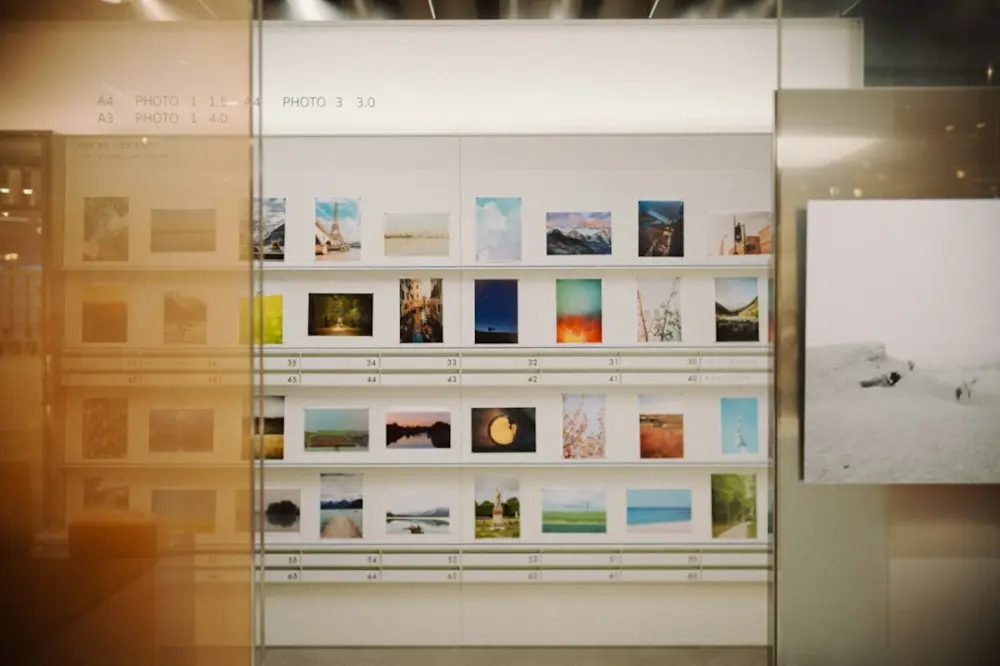
Selecting works around a curatorial idea involves choosing art that supports a central theme, narrative, or philosophical question. Instead of simply gathering aesthetically pleasing pieces, a curator looks for works that communicate with one another, creating a cohesive visual dialogue that guides the viewer through the exhibition's intended message or conceptual framework.
This process requires a balance between intellectual rigor and visual intuition. For a small independent gallery, the goal is to transform a collection of individual objects into a unified experience where the whole exceeds the sum of its parts. Practical curation focuses on how physical space, lighting, and the proximity of specific works influence the viewer’s perception of the underlying theme.
What Defines a Curatorial Idea?
A curatorial idea is the intellectual foundation of an exhibition. It is not merely a topic, such as "landscape painting" or "sculpture," but rather a specific thesis or inquiry. For example, instead of a broad show about urban environments, a curatorial idea might focus on "The Persistence of Nature in Brutalist Architecture." This specific lens provides a filter through which every potential artwork is evaluated.
Fundamentally, the idea serves as a roadmap for both the curator and the audience. It dictates the inclusion of certain pieces and, perhaps more importantly, the exclusion of others. A strong idea creates a boundary. When a curator works with a clear concept, they can justify why a 19th-century etching might sit alongside a contemporary digital photograph. The connection is not found in the medium or the era, but in how both works address the central question of the exhibition.
In practice, defining this idea often starts with a single "anchor" work—a piece so compelling that it demands further investigation. From there, the curator asks: What questions does this work raise? What other artists are exploring similar tensions? By answering these questions, the curatorial idea begins to take shape as a structured narrative rather than a random assortment of items.
Developing a Cohesive Exhibition Theme
Developing a theme requires moving from a broad interest to a specific, actionable narrative. This stage often involves extensive research, looking at historical precedents, and understanding the social or aesthetic context of the works involved. A cohesive theme acts as the connective tissue, ensuring that as a viewer moves from the first wall to the last, the progression feels intentional.
Consider the logistical constraints of the gallery space. A theme like "The Intimacy of Small Spaces" might work perfectly in a series of small, interconnected rooms but could feel lost in a cavernous, open-plan industrial warehouse. The physical environment should reinforce the theme. If the theme is about industrialization, the raw textures of an unrenovated gallery space can become part of the curatorial narrative itself.
During this development phase, it is helpful to create a "working title." This title may change before the exhibition opens, but it serves as a constant reference point. If a piece of art does not align with the working title, it likely does not belong in the show. This disciplined approach prevents the theme from becoming diluted by "filler" works that may be beautiful but are conceptually irrelevant.
How to Select Artworks for Your Concept
The selection process is where the conceptual meets the practical. It involves a systematic review of available works to find those that best articulate the exhibition’s goals. To maintain a high standard of presentation, follow a structured approach to selection:
- Identify the Core Thesis: Write down the central question of the exhibition in two sentences or less. Use this as a checklist for every piece considered.
- Conduct a Broad Survey: Look through artist portfolios, archives, and studio inventories. At this stage, do not worry about space; focus on finding works that resonate with the theme.
- Audit for Scale and Medium: A cohesive show often benefits from a variety of scales. If every piece is 20x20 cm, the exhibition may feel monotonous. Ensure there is a balance of sizes to create visual peaks and valleys.
- Test Visual Relationships: Use digital mock-ups or physical printouts to see how works look side-by-side. Sometimes two works are conceptually aligned but visually clash in a way that distracts the viewer.
- Finalize the Checklist: Once the selection is made, ensure all logistical data—dimensions, medium, insurance value, and hanging requirements—are documented.
Effective visual curation improves creative presentation and ensures that the viewer’s attention is directed toward the most important elements of the narrative. By following these steps, a curator avoids the trap of choosing works based solely on personal preference.
Building a Visual Dialogue Between Pieces
Once the works are selected, the focus shifts to how they interact within the gallery. A visual dialogue is the silent conversation between two or more pieces. This is achieved through placement, sightlines, and the use of negative space. When two works are placed in proximity, the viewer naturally looks for connections between them—similarities in color, contrasting textures, or shared subject matter.
For example, placing a high-contrast charcoal drawing next to a soft-focus oil painting can highlight the tactile qualities of both. The charcoal appears more abrasive, while the oil appears more fluid. This juxtaposition reinforces the curatorial idea by forcing the viewer to notice specific details they might have missed if the works were shown in isolation. According to Wikipedia’s overview of curatorial roles, the arrangement of objects is a primary tool for interpreting the meaning of a collection.
Sightlines are equally important. What does the viewer see when they first enter the room? What is visible through a doorway into the next gallery? These long-range visual connections can bridge different sections of an exhibition, creating a sense of continuity. A well-placed "anchor" piece at the end of a long hallway can draw the viewer forward, maintaining the momentum of the curatorial narrative.
Avoiding Common Thematic Curation Mistakes
One of the most frequent mistakes in curation is being too literal. If the theme is "The Sea," filling a room with twenty paintings of blue waves can become repetitive and dull. A more sophisticated approach would include works that evoke the sea through abstraction, sound installations of tide movements, or even sculptures made from salt and driftwood. The goal is to explore the idea, not just illustrate it.
Another common error is overcrowding the walls. In the desire to show as much work as possible, curators often forget that negative space—the empty wall around a painting—is a curatorial tool. It gives the viewer "room to breathe" and time to process what they have seen. A cluttered gallery often leads to sensory overload, causing the audience to miss the subtle nuances of the curatorial idea.
Finally, avoid the "everything but the kitchen sink" approach. Just because an artist is famous or a work is valuable does not mean it fits the current show. Curatorial integrity requires the courage to exclude high-quality work if it does not serve the specific narrative of the exhibition. This same principle applies to branding; for instance, understanding how can your logo design serve as a curatorial anchor can help maintain consistency across all visual communications, not just in a gallery setting.
First steps for curatorial selection
Anchor every choice to one clear idea before you expand the checklist.
- First step: write the curatorial thesis in one paragraph.
- Start by listing three works that prove the idea from different angles.
- To begin layout planning, sketch sightlines and pacing on paper.
- Follow these steps when comparing loan terms and install requirements.
- Document why each piece stays or goes so the narrative stays coherent.
Professional Curation Standards at Belgrave Gallery
At Belgrave Gallery, we believe that the strength of an exhibition lies in the clarity of its execution. Professional curation is a discipline of refinement. It requires the curator to step back and view the collection through the eyes of a first-time visitor. Does the layout make sense? Is the theme apparent without having to read a three-page essay? These are the practical questions that define our approach to visual presentation.
Successful curation involves a deep understanding of how objects occupy space. Whether it is the height at which a frame is hung—traditionally 145cm to 150cm from the floor to the center of the work—or the temperature of the lighting, every detail contributes to the curatorial idea. By maintaining these standards, we ensure that the artwork is not just displayed, but truly presented.
Ultimately, selecting works around a curatorial idea is about creating a meaningful context. It is an act of storytelling where the artworks are the characters and the gallery is the stage. For those involved in curation and design, mastering this process is essential for delivering exhibitions that resonate with audiences long after they have left the room. This commitment to cohesive visual presentation remains the cornerstone of the work we discuss and produce at Belgrave Gallery.