Creative Visual Composition: Building Cohesive Gallery-Style Layouts
Creative visual composition is essential for building gallery-style layouts that feel balanced, engaging, and professionally curated. Whether designing a digital gallery, portfolio, wall display, or presentation layout, cohesive composition helps unify individual visuals into a structured and compelling experience.
This article explores how creative visual composition supports cohesive gallery-style layouts and improves overall design presentation.
What Is Gallery-Style Visual Composition?
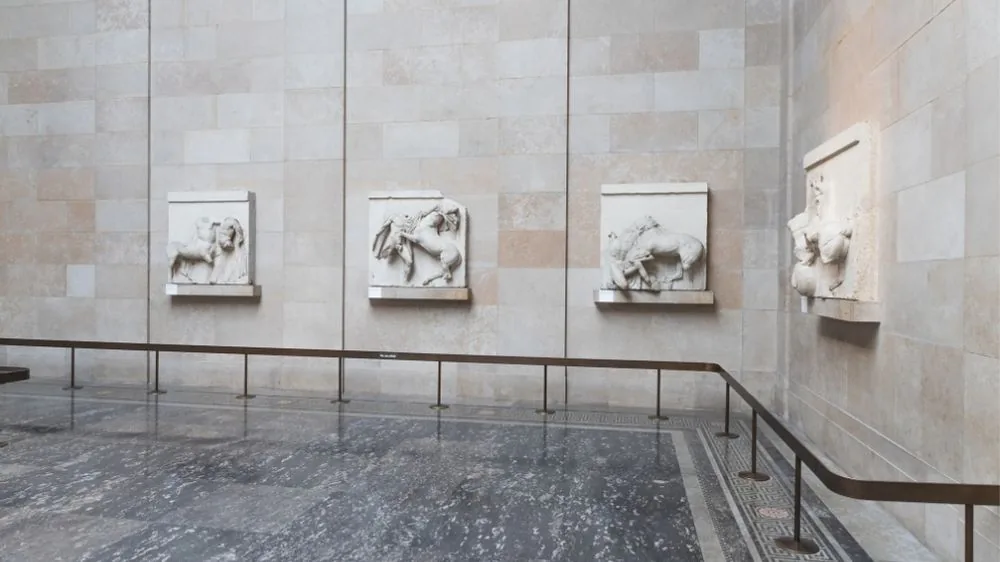
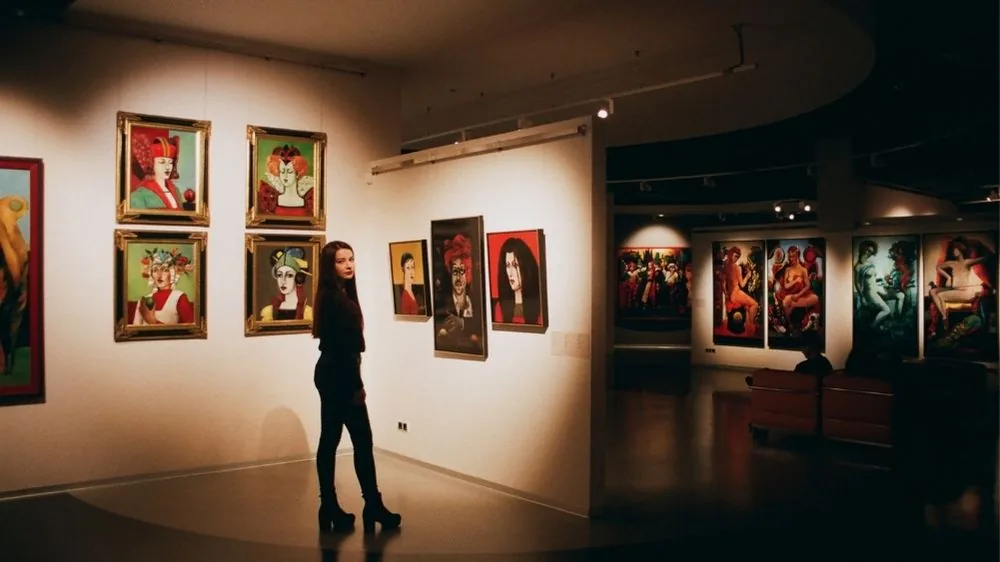
Gallery-style visual composition refers to arranging multiple visuals in a way that creates harmony, balance, and visual flow. Instead of placing elements randomly, a curated layout ensures that each piece contributes to a cohesive design.
Gallery-style composition often focuses on:
Consistent spacing
Balanced alignment
Complementary colour palettes
Structured layout grids
Clear visual hierarchy
These principles help create a polished presentation.
Why Cohesive Layouts Matter
Cohesive gallery-style layouts improve readability and viewer engagement. A well-composed arrangement makes it easier for audiences to explore content without distraction.
Benefits of cohesive layouts include:
Stronger visual storytelling
Improved balance and structure
Better presentation clarity
Professional appearance
Enhanced viewer experience
Consistency helps unify multiple visuals.
Using Grid-Based Layouts
Grid systems are a powerful tool for creating gallery-style composition. Grids provide structure while allowing flexibility.
Grid-based layout advantages:
Consistent alignment
Balanced spacing
Clean structure
Flexible arrangement options
Easy scalability
Grids help maintain cohesion across designs.
Creating Visual Hierarchy
Visual hierarchy guides the viewer’s attention through the layout. In gallery-style composition, hierarchy helps highlight key visuals while supporting supporting elements.
Ways to create hierarchy:
Vary image sizes
Use spacing for emphasis
Position focal pieces strategically
Group related visuals
Maintain clear layout flow
Hierarchy improves engagement.
Balancing Variety and Consistency
Gallery-style layouts often combine different visuals. The key is balancing variety with consistency.
Tips for maintaining balance:
Use a consistent colour palette
Limit font variations
Keep spacing uniform
Align edges and margins
Avoid overcrowding
Consistency keeps layouts cohesive.
Spacing and Negative Space
Negative space plays an important role in visual composition. Proper spacing allows each visual to stand out.
Benefits of negative space:
Reduces visual clutter
Improves readability
Enhances focus
Creates breathing room
Strengthens composition
Spacing improves overall balance.
Aligning Visual Elements
Alignment ensures a clean and organised gallery-style layout. Consistent alignment helps create structure.
Alignment tips:
Use consistent margins
Align edges horizontally or vertically
Maintain equal spacing
Group related visuals
Follow a structured grid
Alignment enhances presentation.
Mixing Sizes for Dynamic Composition
Varying image sizes adds visual interest while maintaining cohesion.
Balanced size variation may include:
Large focal images
Medium supporting visuals
Smaller detail images
Consistent spacing between sizes
Structured placement
Size variation adds depth.
Applying Gallery-Style Layouts Digitally
Gallery-style composition works well for:
Portfolio pages
Creative websites
Digital galleries
Presentation slides
Social media layouts
Consistent composition improves user experience.
Tips for Building Cohesive Gallery Layouts
To improve visual composition:
Start with a grid
Choose a consistent style
Use balanced spacing
Create clear hierarchy
Limit visual clutter
Maintain alignment
These tips help create professional layouts.
Final Thoughts
Creative visual composition is key to building cohesive gallery-style layouts. By using structured grids, balanced spacing, and consistent visual elements, designers can create layouts that feel curated and engaging.
Whether used for digital or physical displays, thoughtful composition helps unify visuals, improve storytelling, and enhance overall presentation quality.