Modern Gallery Inspiration: Creating Balanced Visual Collection
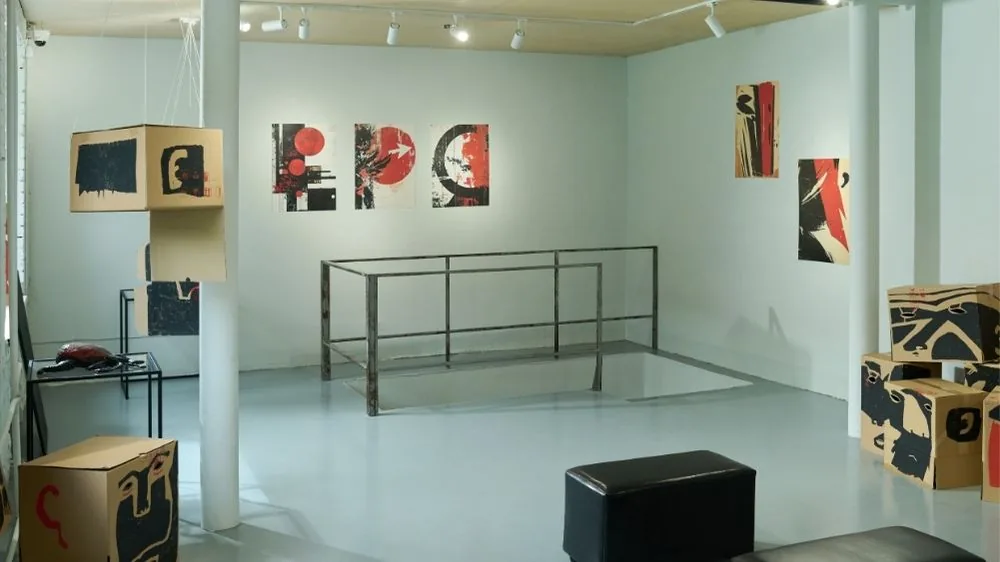
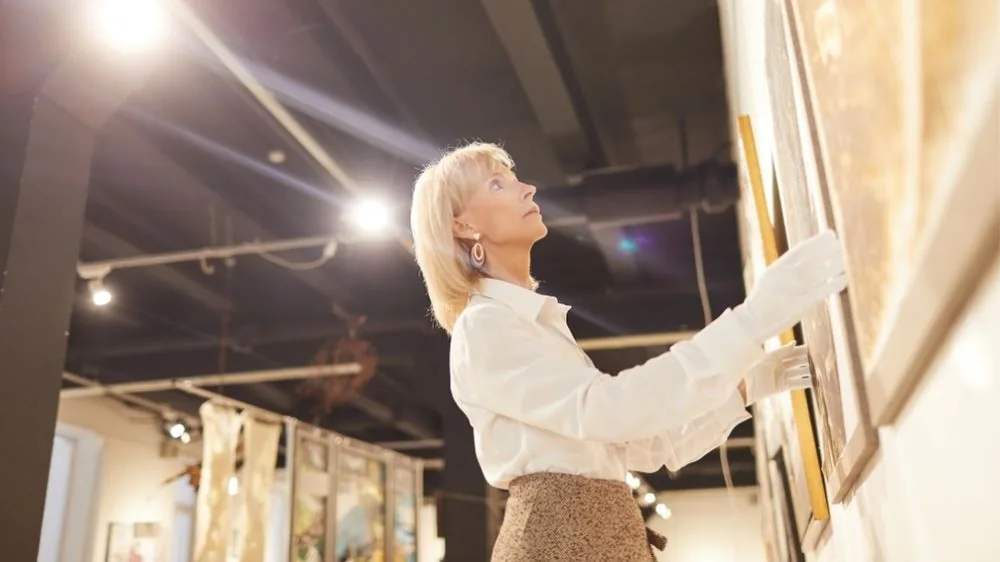
Modern gallery spaces are defined by thoughtful curation, visual harmony, and intentional presentation. Creating a balanced visual collection is essential for showcasing artwork effectively while guiding viewers through a cohesive experience. Whether for physical galleries, digital exhibitions, or curated creative displays, balance plays a key role in making collections feel polished and engaging.
This article explores modern gallery inspiration and how to create a balanced visual collection that enhances presentation and storytelling.
What Is a Balanced Visual Collection?
A balanced visual collection is a carefully curated arrangement of artworks or visuals that complement each other in style, colour, scale, and composition. Instead of competing for attention, each piece contributes to a unified presentation.
Balanced collections often focus on:
Consistent visual themes
Complementary colour palettes
Varied but harmonious layouts
Controlled spacing and flow
Clear visual hierarchy
These elements help create a cohesive gallery experience.
Why Balance Matters in Modern Galleries
Balance ensures that viewers can comfortably explore a collection without feeling overwhelmed. A well-balanced display enhances clarity and encourages engagement.
Benefits of balanced visual collections include:
Improved viewing experience
Stronger visual storytelling
Professional presentation
Better artwork emphasis
Clear thematic direction
Balance helps unify diverse pieces.
Creating a Cohesive Visual Theme
Modern galleries often build collections around a shared theme. This could be based on colour, subject matter, style, or mood.
Ways to create cohesion:
Select artworks with similar tones
Use complementary colour palettes
Maintain consistent framing styles
Align subject matter or concept
Choose a unified presentation format
A clear theme strengthens the collection.
Using Contrast for Visual Interest
While balance is important, contrast adds depth and keeps the collection engaging. Mixing sizes, styles, or tones carefully can enhance visual impact.
Balanced contrast may include:
Large and small artworks
Light and dark tones
Minimal and detailed pieces
Horizontal and vertical layouts
Bold and subtle visuals
Contrast should enhance, not overpower.
Spacing and Layout Considerations
Spacing plays a major role in achieving balance. Proper placement prevents clutter and allows each piece to stand out.
Layout tips:
Maintain consistent spacing
Avoid overcrowding walls
Group related pieces together
Use alignment for structure
Allow breathing room between works
Good spacing improves flow.
Creating Visual Flow
A balanced collection should guide viewers naturally from one piece to the next. Visual flow helps create a cohesive journey.
Ways to improve flow:
Arrange by colour progression
Group by theme or subject
Use size transitions
Align visual focal points
Maintain consistent spacing
Flow enhances viewer engagement.
Mixing Styles While Maintaining Balance
Modern galleries often combine different styles. The key is maintaining harmony while allowing variety.
Tips for mixing styles:
Use a consistent colour palette
Balance bold pieces with minimal ones
Maintain similar framing or presentation
Keep layout structured
Avoid too many competing elements
This keeps the collection cohesive.
Digital Gallery Inspiration
Balanced visual collections are also important in digital galleries and online portfolios. Structure and consistency improve user experience.
Digital gallery tips:
Use consistent image sizes
Maintain grid alignment
Limit visual clutter
Create spacing between items
Use clear navigation flow
Digital balance improves presentation.
Building a Modern Gallery Aesthetic
Modern gallery inspiration often focuses on:
Minimalist presentation
Clean layouts
Neutral backgrounds
Thoughtful spacing
Curated visual groupings
These elements create a refined look.
Final Thoughts
Creating a balanced visual collection is essential for modern gallery presentation. By combining cohesive themes, thoughtful spacing, and controlled contrast, galleries can showcase artwork in a way that feels intentional and engaging.
Whether designing a physical exhibition or digital gallery, balance helps unify visuals, improve flow, and enhance the overall viewing experience.